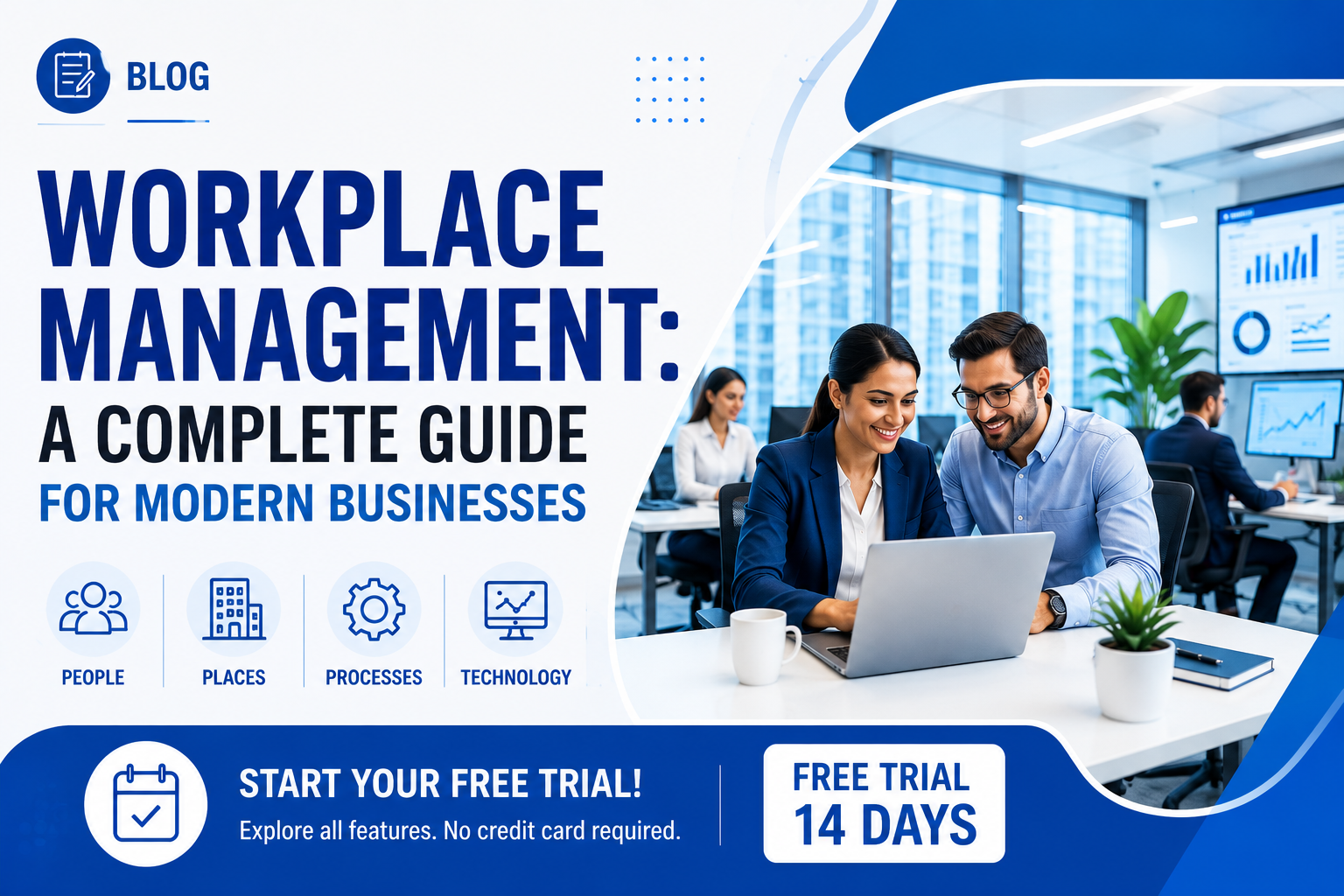

In today's competitive business environment, technology is no longer optional. It is a critical enabler of business growth, operational efficiency, and organizational scalability.
The fifth and final module of the RTS (Roadmap to Success) Business Execution Framework, developed by KP Singh, focuses on using cloud business software to connect people, processes, data, and business performance.
After developing the CEO mindset, defining business goals, mastering strategies & SOPs, and building the right team, the next step is to enable the organization through technology.
A CEO needs visibility, a business needs systems, and an organization needs automation to scale effectively.
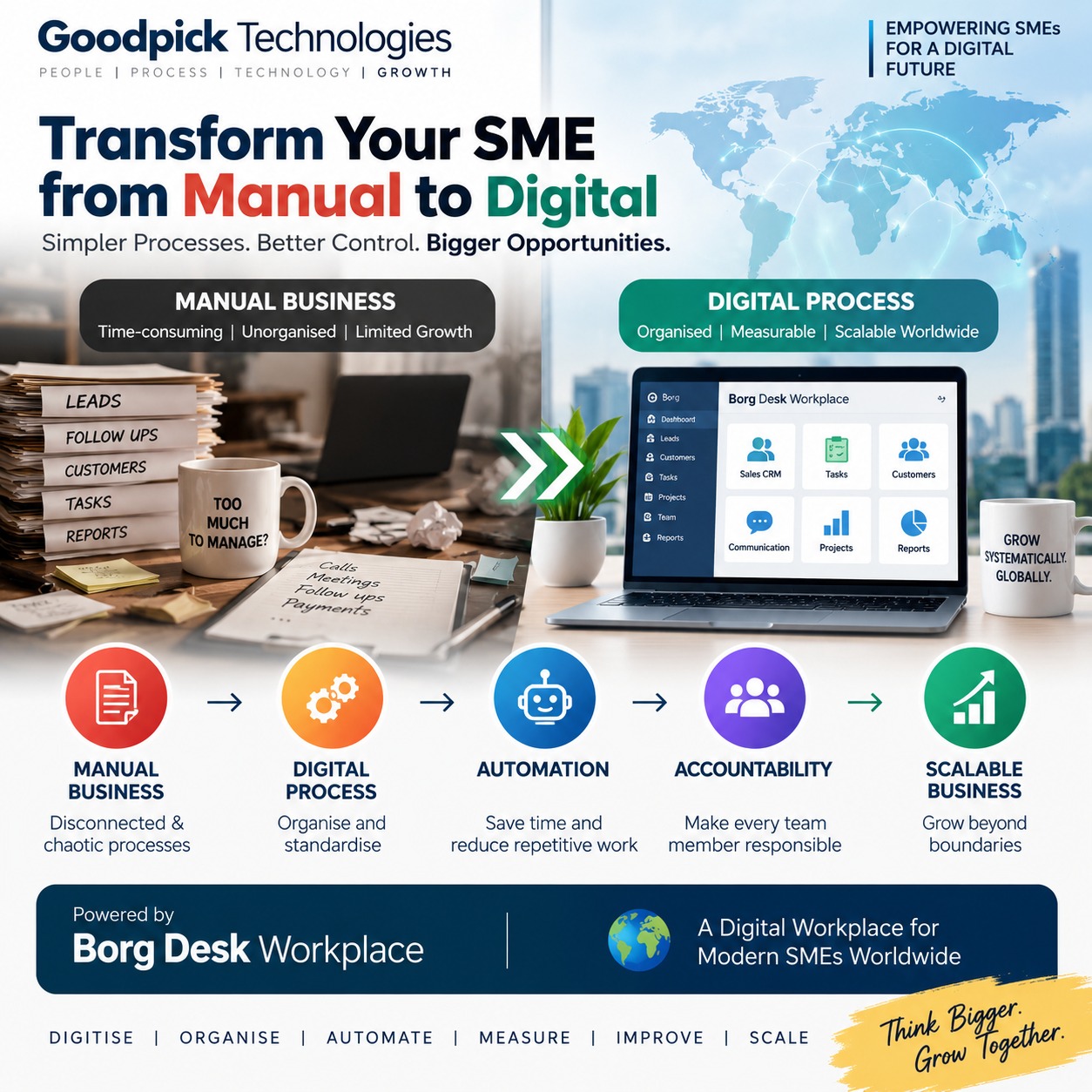
Many businesses still operate through disconnected spreadsheets, manual reporting, WhatsApp communication, and individual employee knowledge.
This creates challenges such as:
Lack of real-time business visibility.
Delayed management reporting.
Manual and repetitive activities.
Missed customer follow-ups.
Poor coordination between departments.
Limited performance accountability.
Dependency on individual employees.
Difficulty managing business growth.
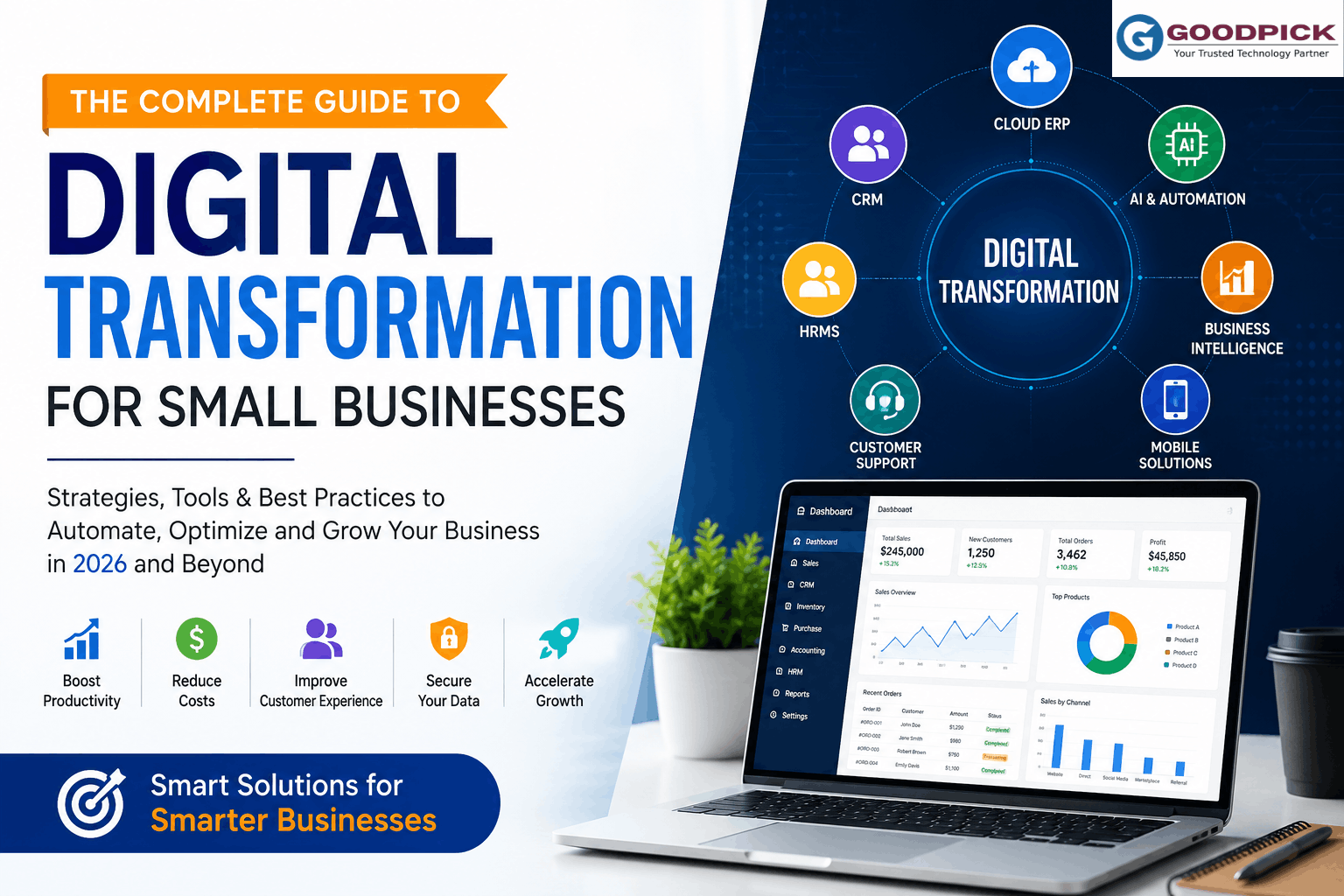
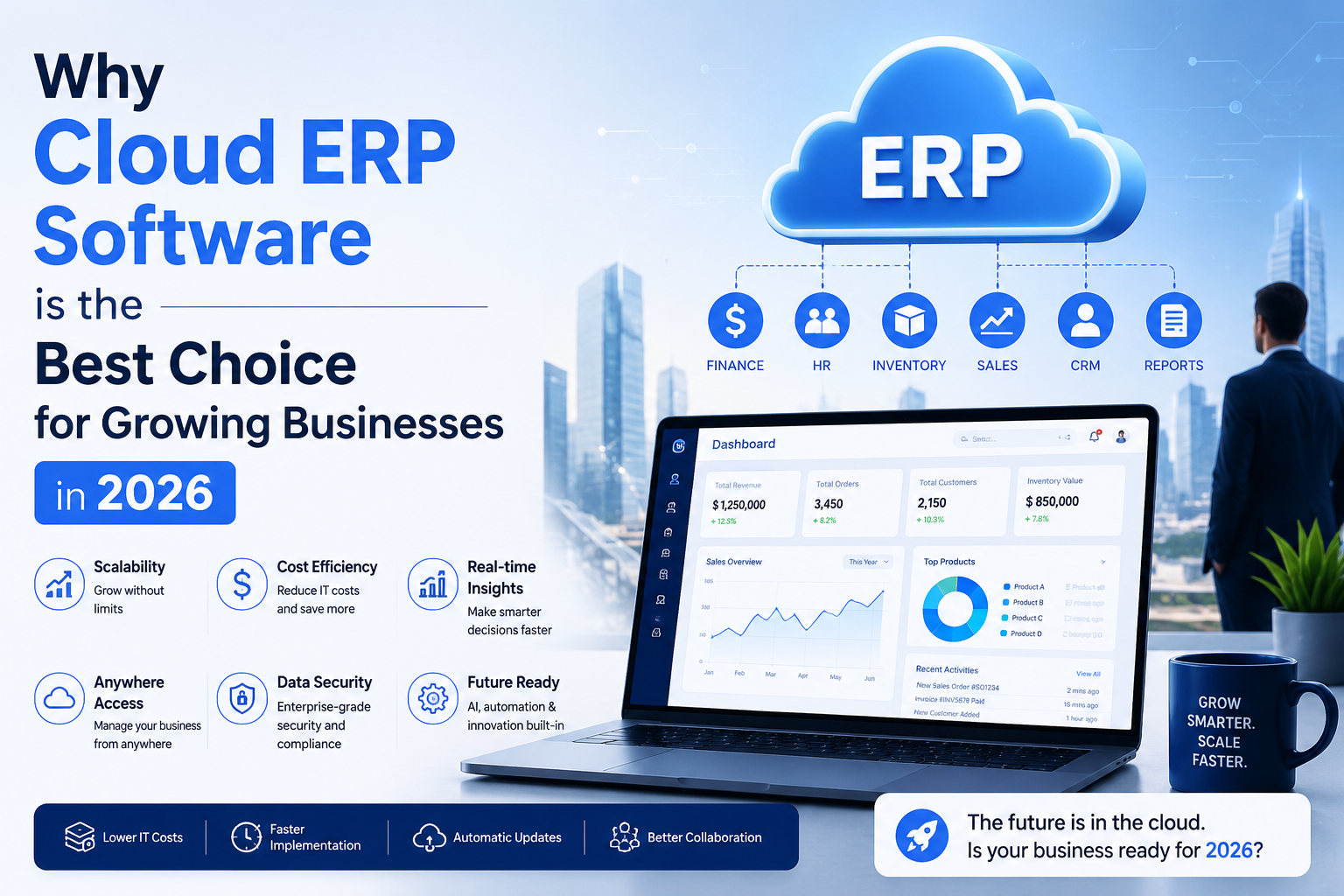
Cloud business software helps organizations overcome these challenges by creating a connected and structured business environment.
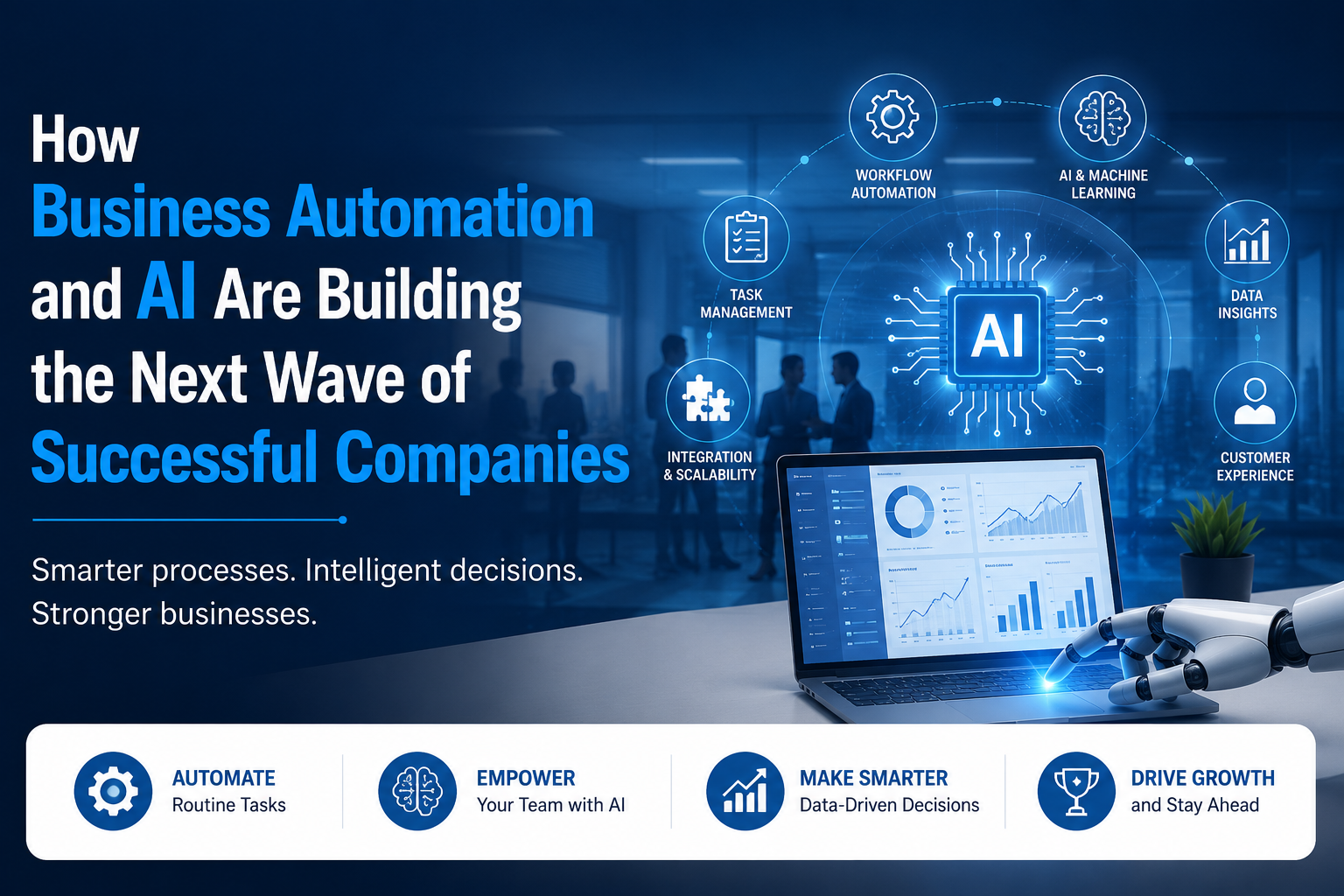
Automation reduces repetitive work and enables employees to focus on higher-value activities.
Learn how to automate:
Lead Management & Customer Follow-ups.
Sales Pipeline Management.
Task Allocation & Tracking.
Customer Service & Ticket Management.
Approval Workflows.
Employee Activity Tracking.
Alerts & Notifications.
Management Reporting.
The objective is to reduce manual dependency and improve execution consistency.
A CEO should not have to wait until the end of the month to understand business performance.
Cloud business software enables management to monitor:
Sales Pipeline & Revenue.
Lead Conversion.
Customer Retention.
Pending Service Tickets.
Task Completion.
Employee Productivity.
Outstanding Payments.
Inventory & Orders.
Departmental Performance.
The objective is to make informed decisions using timely and reliable business information.
Business growth requires coordination across multiple functions.
Cloud software helps connect:
Sales & Marketing.
Customer Success.
Operations.
Accounts & Finance.
HR & Administration.
Production & Inventory.
Project Management.
Management & Leadership.
When departments operate through connected systems, information becomes more accessible, coordination improves, and execution becomes more structured.
Technology can support accountability by making responsibilities, activities, and results visible.
Learn how to establish:
Task Ownership.
Defined Deadlines.
Activity Tracking.
Performance Dashboards.
Automated Reminders.
Escalation Alerts.
Management Review Reports.
The objective is to create a culture where commitments are tracked and business performance is measurable.
A growing organization requires technology that supports expansion without creating unnecessary operational complexity.
Cloud business software enables businesses to:
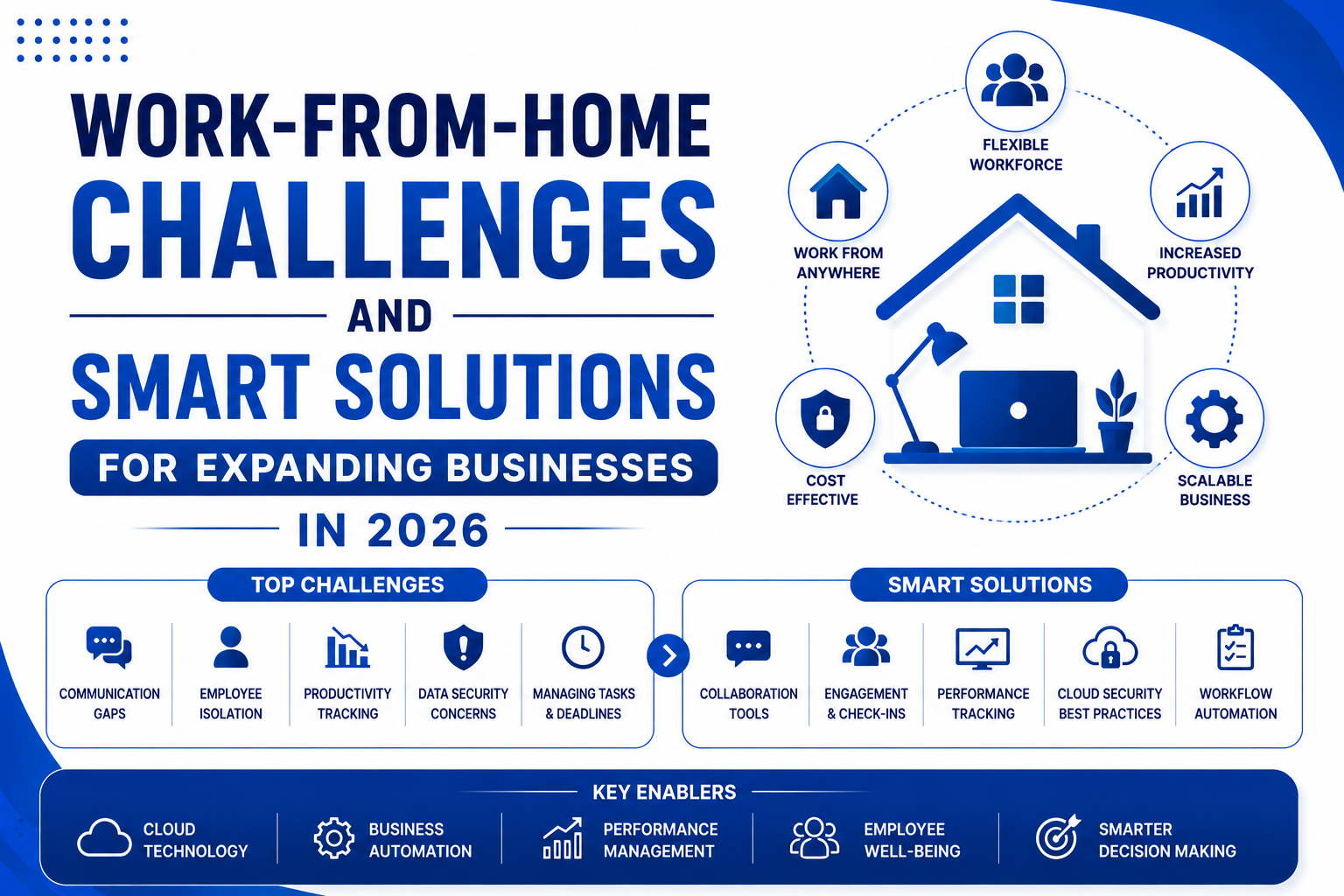
Access business information from anywhere.
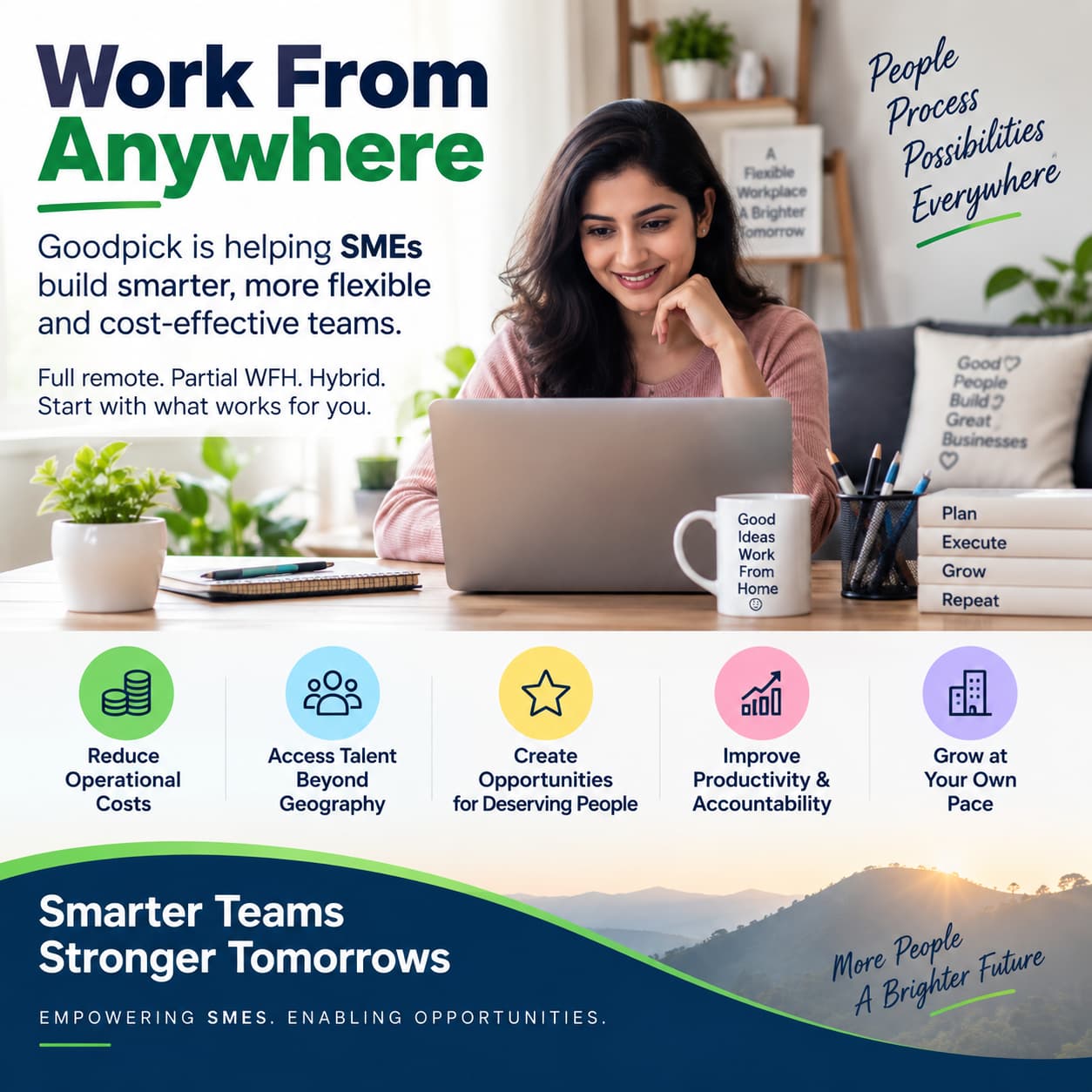
Coordinate distributed teams.
Standardize operational processes.
Improve data availability.
Scale workflows across departments.
Support business continuity.
Enable technology-driven decision-making.
The objective is to build a digital foundation for sustainable growth.
CEO Vision → Business Goals → Strategies & SOPs → Right Team → Cloud Business Software → Automation → Visibility → Accountability → Growth
This model connects all five modules of RTS into a unified business execution system.
Technology delivers maximum value when it supports a well-defined business strategy and structured processes.
Cloud business software is not merely about storing data or generating reports.
It is about enabling the organization to execute better, serve customers faster, improve productivity, and operate with greater control.
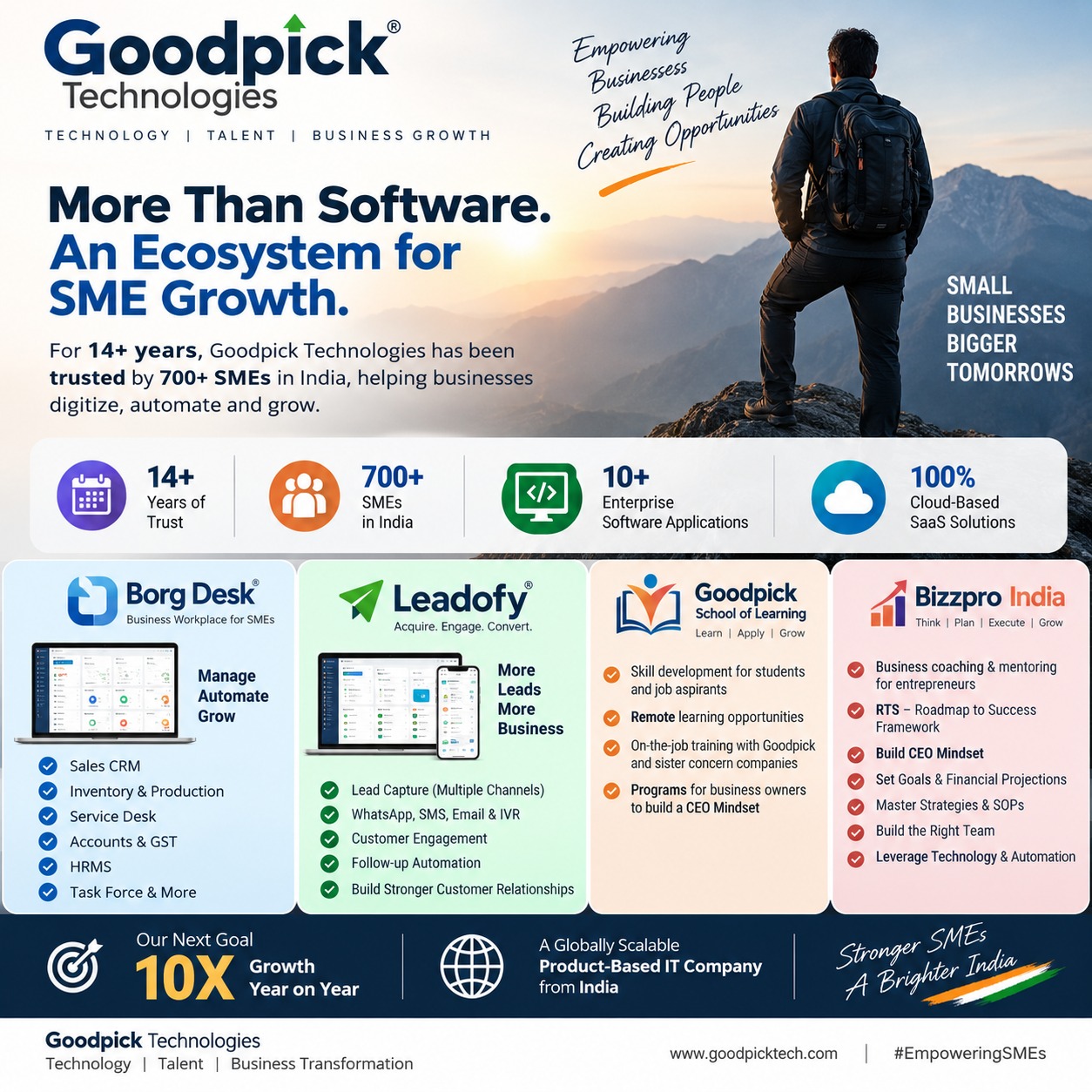
The RTS Business Execution Framework can be supported through integrated business technology solutions.
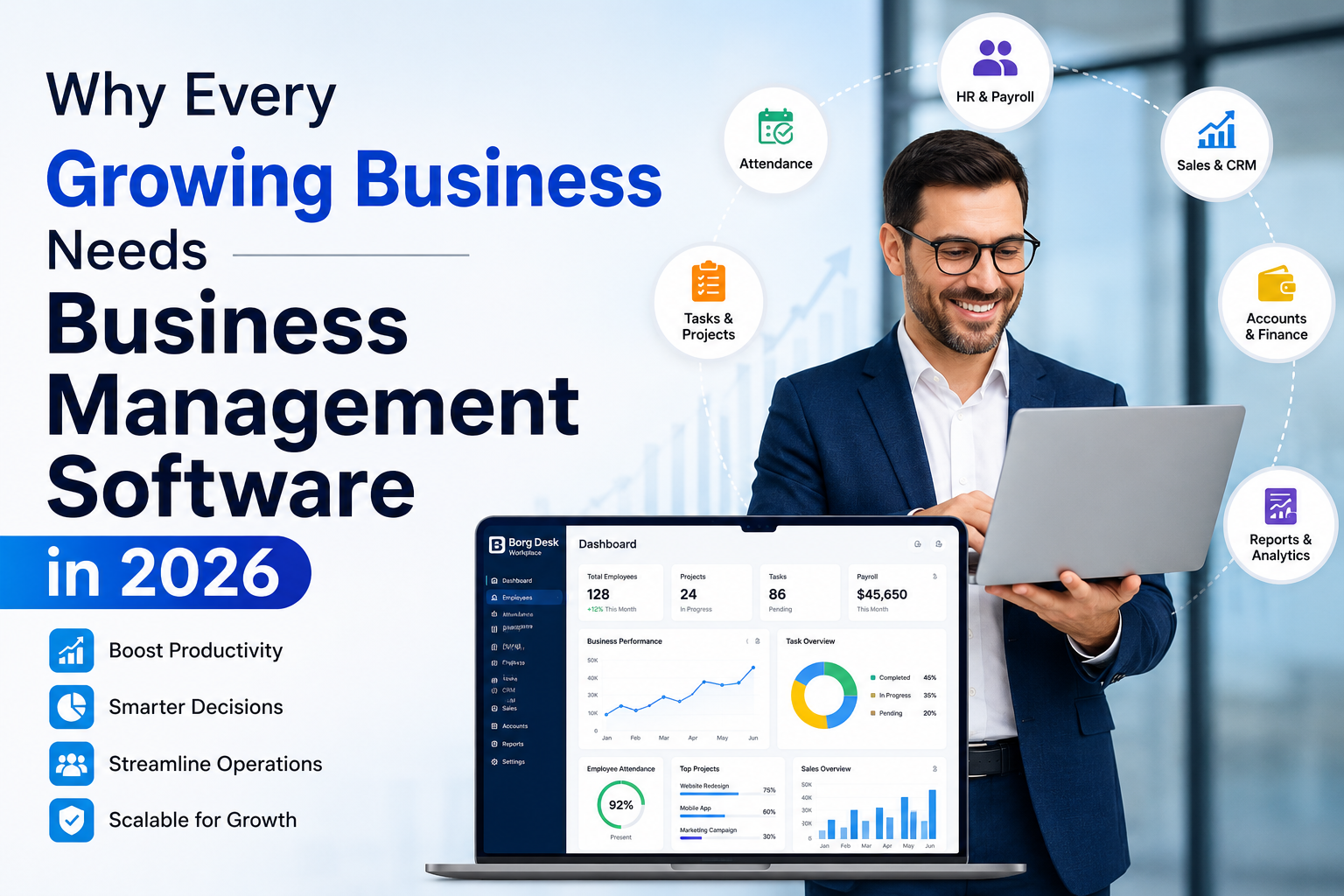
Business operating software designed to connect business functions, manage workflows, track responsibilities, and improve operational visibility.
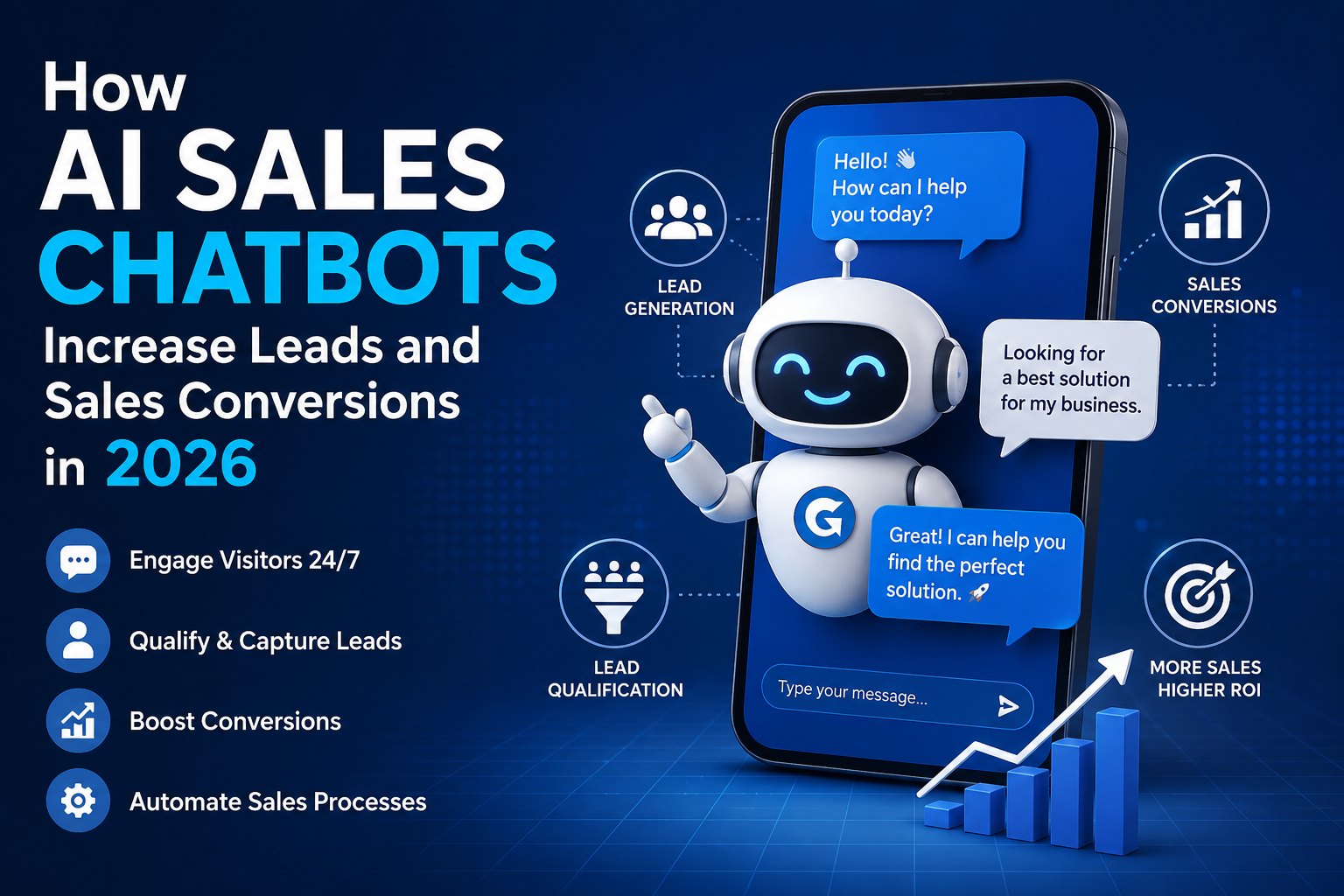
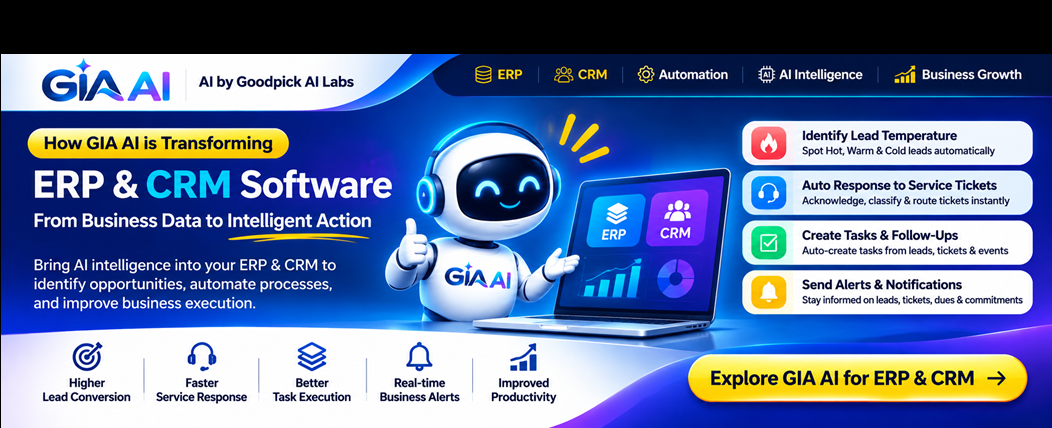
AI-powered assistance designed to support customer engagement, sales conversations, service responses, lead qualification, and workflow-oriented business activities.
Customer communication and engagement solutions supporting businesses in acquiring, engaging, and retaining customers.
Together, these technology capabilities support the RTS objective of helping businesses automate operations and multiply execution capacity.
This module is designed for:
Entrepreneurs looking to automate business operations.
MSMEs seeking better management visibility.
Business owners struggling with manual processes.
Organizations using disconnected software applications.
CEOs seeking improved operational control.
Businesses preparing for scalable digital transformation.
By implementing this module, business owners can develop:
Connected business processes.
Improved operational visibility.
Reduced manual activities.
Better coordination across departments.
Stronger execution accountability.
Faster management decision-making.
Technology-enabled productivity.
A scalable digital business infrastructure.
The RTS Business Execution Framework brings together five essential levers of business transformation:
Think Like a CEO.
Set Goals & Financial Projection.
Master Strategies & SOPs.
Build the Right Team.
Cloud Business Software.
Together, these five modules create a structured roadmap for transforming an entrepreneur-led business into a professionally managed, system-driven, and scalable organization.
Think Like a CEO. Set Goals with Clarity. Master Your Systems. Build the Right Team. Automate & Multiply.
Roadmap to Success by KP Singh
Entrepreneur | SME Growth Coach | Business Execution Mentor
Start Your Business Transformation Journey Today.
Build a business that operates with clarity, control, accountability, and technology-enabled execution.