
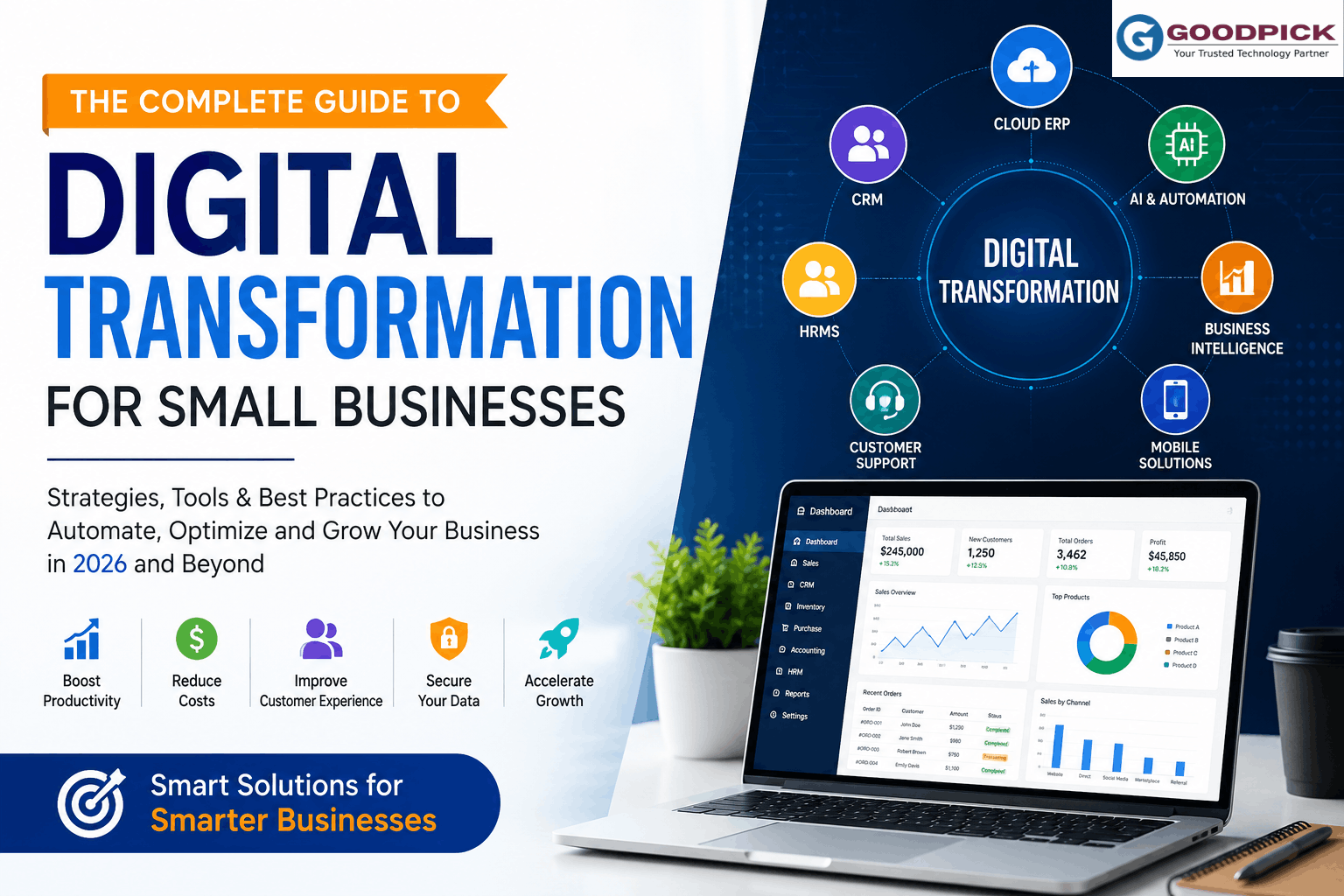
The Complete Guide to Digital Transformation for Small Businesses
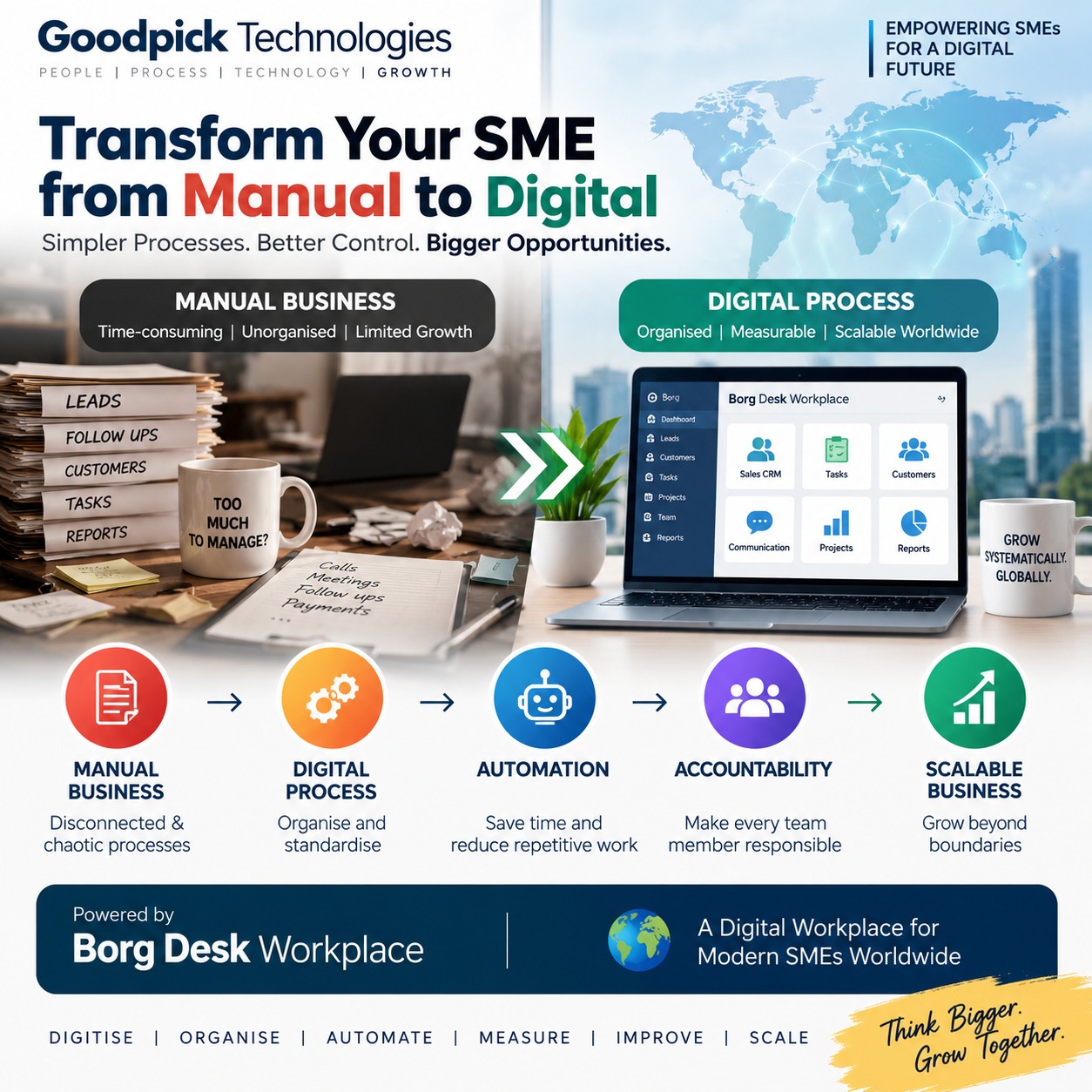
In today's highly competitive market, Digital Transformation For Small Businesses is no longer an option—it has become a necessity. Businesses that continue relying on manual operations, spreadsheets, paperwork, and disconnected software struggle to compete with organizations that embrace automation, cloud technology, Artificial Intelligence (AI), CRM, ERP, and digital collaboration.
Whether you own a retail store, manufacturing company, IT business, service agency, distribution company, healthcare organization, or startup, digital transformation helps improve efficiency, reduce operational costs, increase customer satisfaction, and accelerate business growth.
This is a complete guide to everything small businesses need to know about digital transformation in 2026.
What is Digital Transformation?
Digital transformation is the process of using modern digital technologies to improve every aspect of your business.
Instead of managing operations manually, businesses adopt technologies such as:
Cloud ERP Software
CRM Software
HRMS
AI-powered Automation
Business Intelligence Dashboards
Workflow Automation
Digital Accounting
Inventory Management
Mobile Applications
Customer Support Systems
The objective is simple:
Increase productivity
Improve customer experience
Reduce costs
Make better business decisions
Scale business faster
Why Digital Transformation Matters for Small Businesses?
Many business owners believe digital transformation is only for large enterprises.
This is one of the biggest misconceptions.
Today's cloud-based software solutions make digital transformation affordable for SMEs, MSMEs, startups, and growing businesses.
Benefits include:
Faster operations
Better customer service
Automated workflows
Real-time business reports
Reduced manual errors
Better inventory management
Increased employee productivity
Improved data security
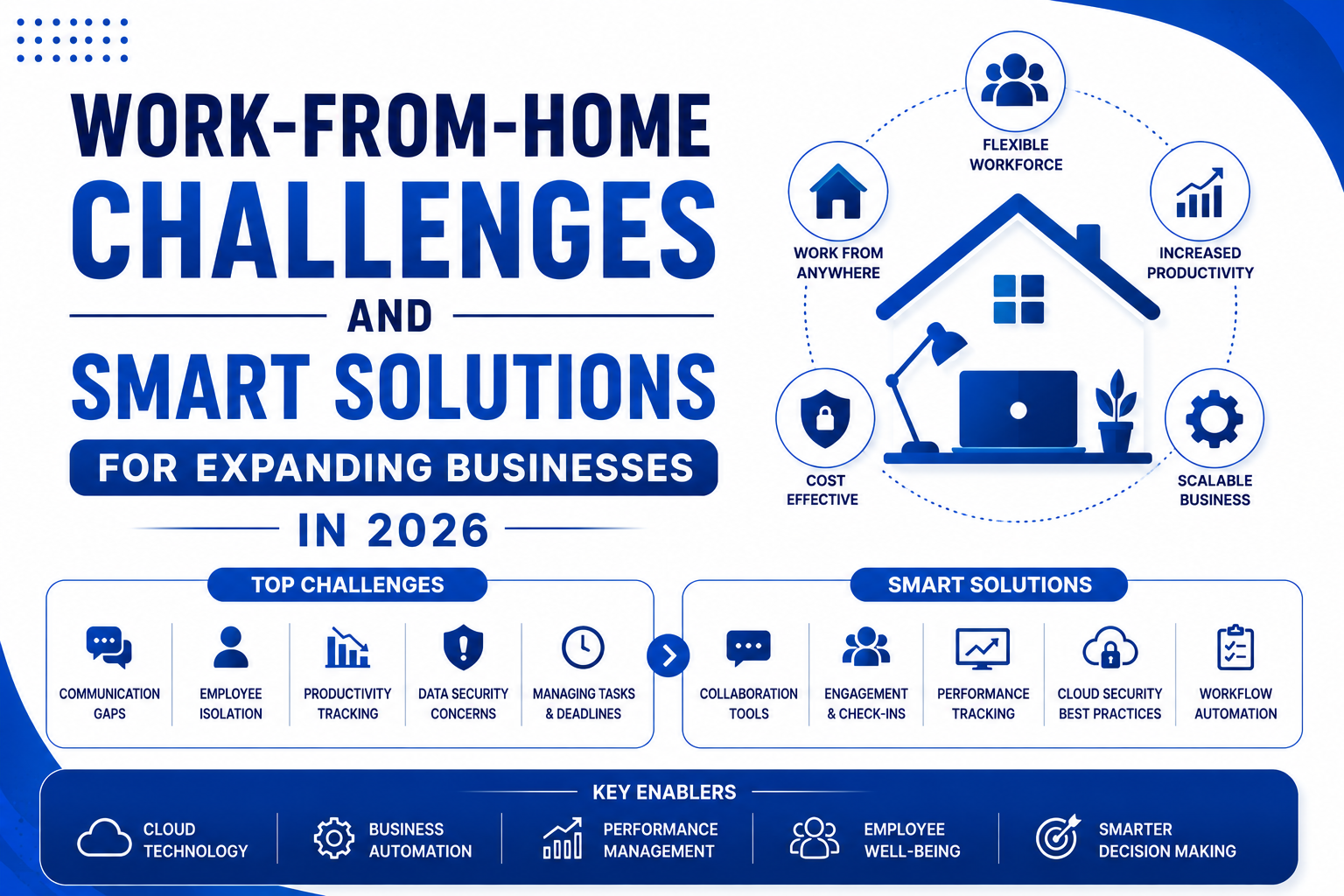
Easy remote working
Higher profitability
Companies that adopt digital transformation gain a significant competitive advantage.
Signs Your Business Needs Digital Transformation
If your business experiences any of these challenges, it's time to modernize.
Manual Data Entry
Employees spend hours entering data repeatedly.
Lost Customer Information
Customer inquiries are scattered across WhatsApp, Excel, emails, and notebooks.
Inventory Problems
Products frequently go out of stock or become overstocked.
Slow Decision Making
Business reports take days to prepare.
Poor Customer Follow-up
Sales opportunities are missed because leads aren't tracked properly.
Duplicate Work
Different departments maintain separate records.
Lack of Automation
Routine tasks consume valuable employee time.
Key Components of Digital Transformation
1. Cloud ERP Software
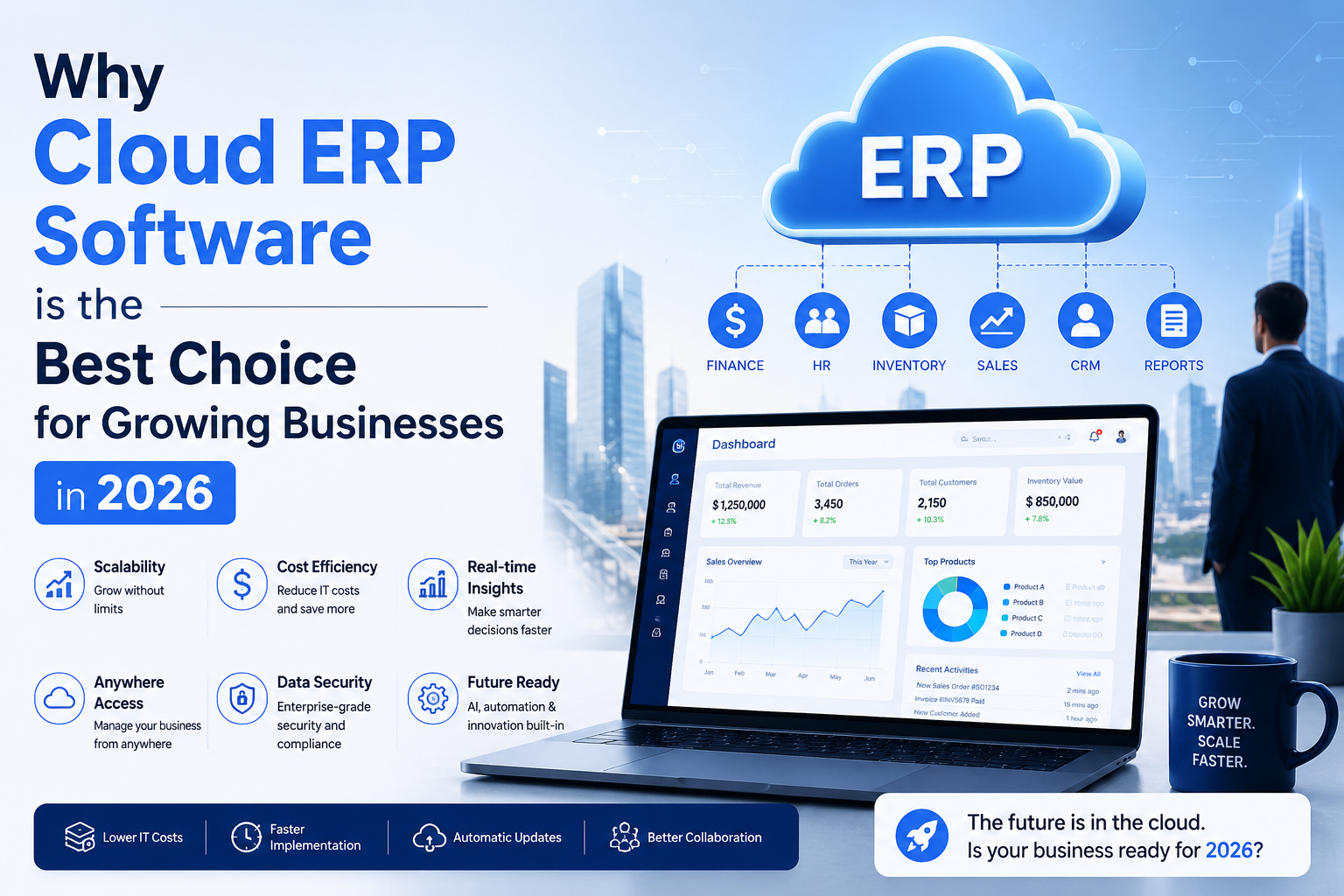
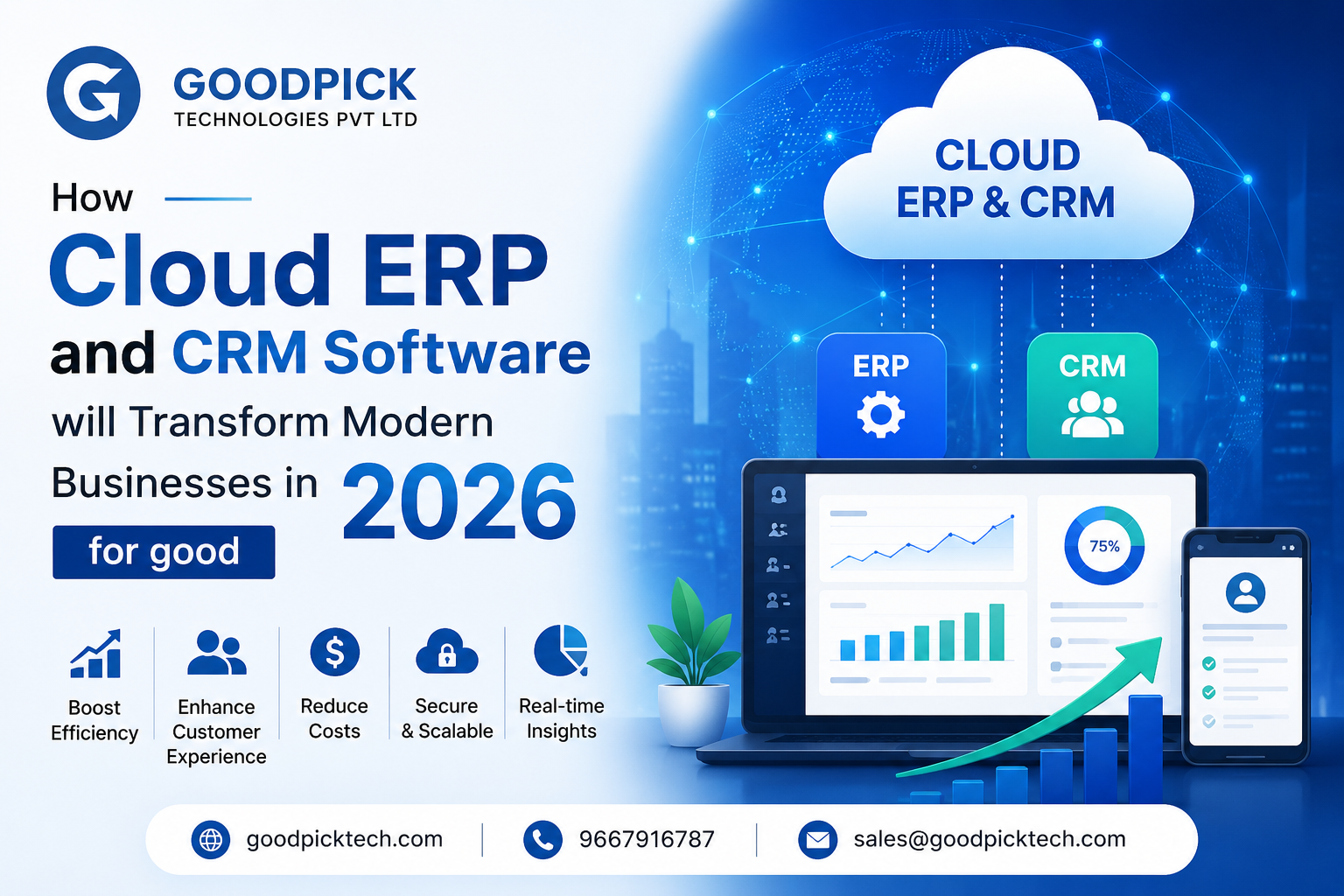
One of the most important technologies for digital transformation is Cloud ERP.
Cloud ERP integrates multiple departments into one centralized platform.
It manages:
Sales
Purchase
Inventory
Accounts
HR
Payroll
Projects
Customer Service
Reports
Visit: Learn more about Cloud ERP Solutions.
2. Customer Relationship Management (CRM)
CRM helps businesses:
Track leads
Manage customers
Improve follow-ups
Increase sales conversion
Build long-term customer relationships
CRM ensures that no lead is lost and that’s why businesses using it often have higher sales.
3. Business Automation
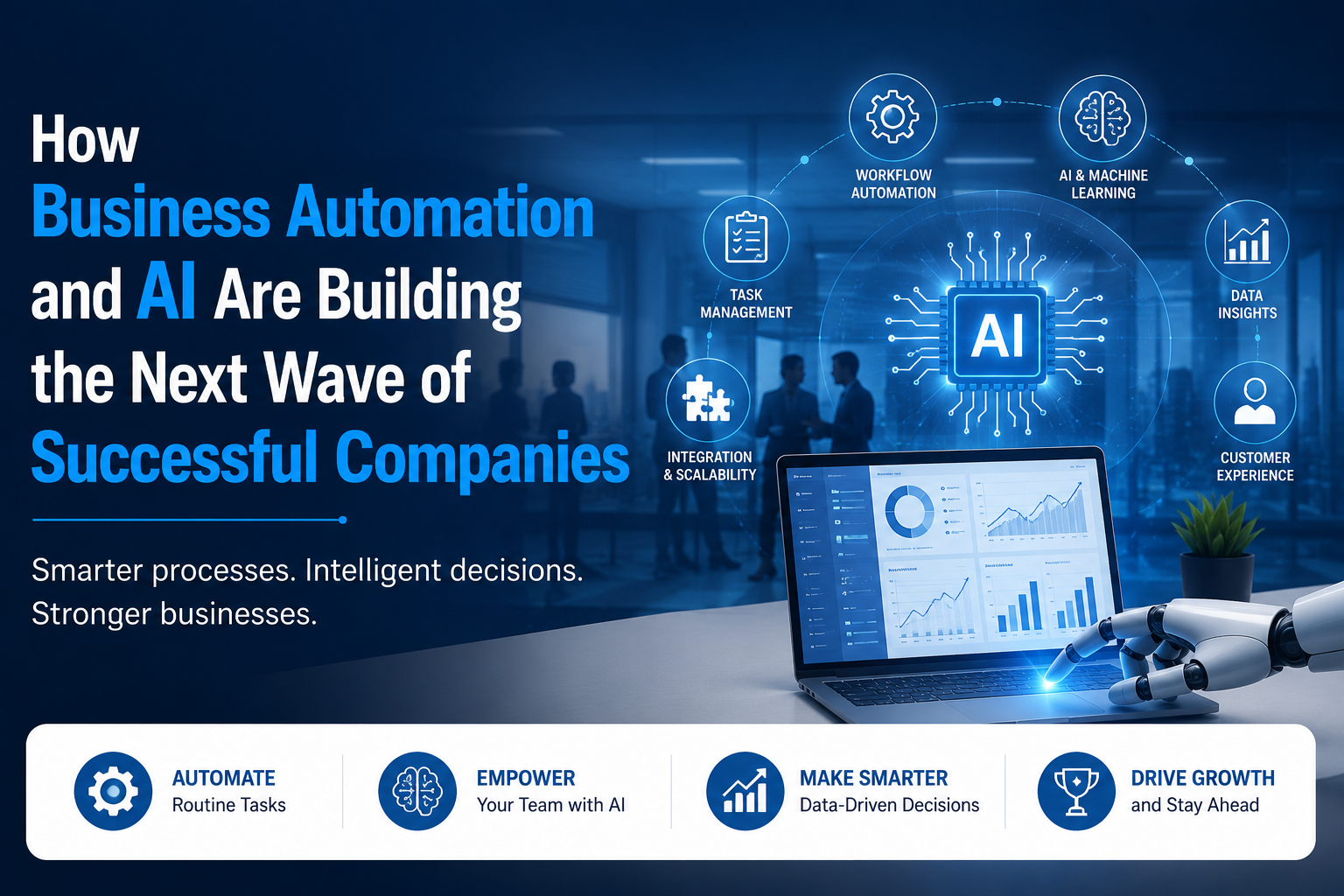
Business automation eliminates repetitive manual work.
Examples include:
Automatic invoice generation
Email automation
Lead assignment
Attendance tracking
Leave approvals
Purchase approvals
Workflow notifications
Automation saves hundreds of working hours every month.
4. Artificial Intelligence (AI)
AI is changing how businesses operate.
AI can:
Predict customer behavior
Generate reports
Automate customer support
Improve marketing
Analyze sales trends
Forecast inventory demand
Small businesses can now access AI-powered software without significant investment.
5. Cloud Computing
Cloud solutions provide:
Anywhere access
Data backup
High security
Automatic updates
Easy scalability
Lower infrastructure costs
Cloud technology has become the foundation of modern digital businesses.
Benefits of Digital Transformation
Improved Productivity
Employees spend less time on repetitive tasks.
Better Customer Experience
Customers receive faster responses and improved support.
Cost Savings
Automation reduces operational expenses and minimizes human errors.
Faster Decision Making
Dashboards allow the business owner to see performance instantly, in real time.
Better Data Security
Cloud software protects sensitive business data through advanced security measures.
Increased Revenue
Businesses can manage more customers efficiently while reducing operational costs.
Step-by-Step Digital Transformation Strategy
Step 1: Assess Current Business Processes
Identify:
Manual work
Bottlenecks
Delays
Duplicate tasks
Step 2: Define Business Goals
Examples:
Increase sales by 30%
Reduce operational costs
Improve customer retention
Automate HR
Step 3: Choose the Right Software
Choose software that is appropriate for your business size and your industry.
Essential solutions include:
ERP
CRM
HRMS
Inventory Management
Accounting Software
Step 4: Train Employees
Technology is only useful if employees know how to use it effectively.
Step 5: Automate Workflows
Automate repetitive business processes first.
Examples:
Sales pipeline
Lead assignment
Invoice generation
Attendance
Leave approvals
Step 6: Monitor Performance
Use dashboards and KPIs to measure improvements.
Common Challenges During Digital Transformation
Many businesses face:
Employee resistance
Budget limitations
Data migration
Software selection
Lack of training
Poor planning
These challenges can be overcome with the right implementation strategy.
Best Digital Transformation Tools for Small Businesses
Some of the most useful solutions include:
Cloud ERP
CRM Software
HRMS
Inventory Management
Payroll Software
Accounting Software
Project Management Tools
AI Automation Tools
Business Intelligence Dashboards
Customer Support Systems
Industries That Benefit Most
Digital transformation is useful across industries.
Examples include:
Manufacturing
Retail
Wholesale Distribution
Healthcare
Education
Construction
IT Companies
Service Businesses
Logistics
Real Estate
E-commerce
Hospitality
Why Cloud ERP is the Foundation of Digital Transformation?
Cloud ERP connects every department through a centralized system.
Instead of using multiple disconnected applications, businesses manage everything from one platform.
Benefits include:
Centralized database
Better reporting
Faster operations
Improved customer service
Reduced operational costs
Increased employee efficiency
Digital Transformation Trends in 2026
Businesses are rapidly adopting:
AI Business Automation
Predictive Analytics
Cloud ERP
AI Chatbots
Paperless Offices
Mobile ERP
IoT Integration
Digital Payments
Workflow Automation
Smart Reporting
These technologies will continue shaping the future of business operations.
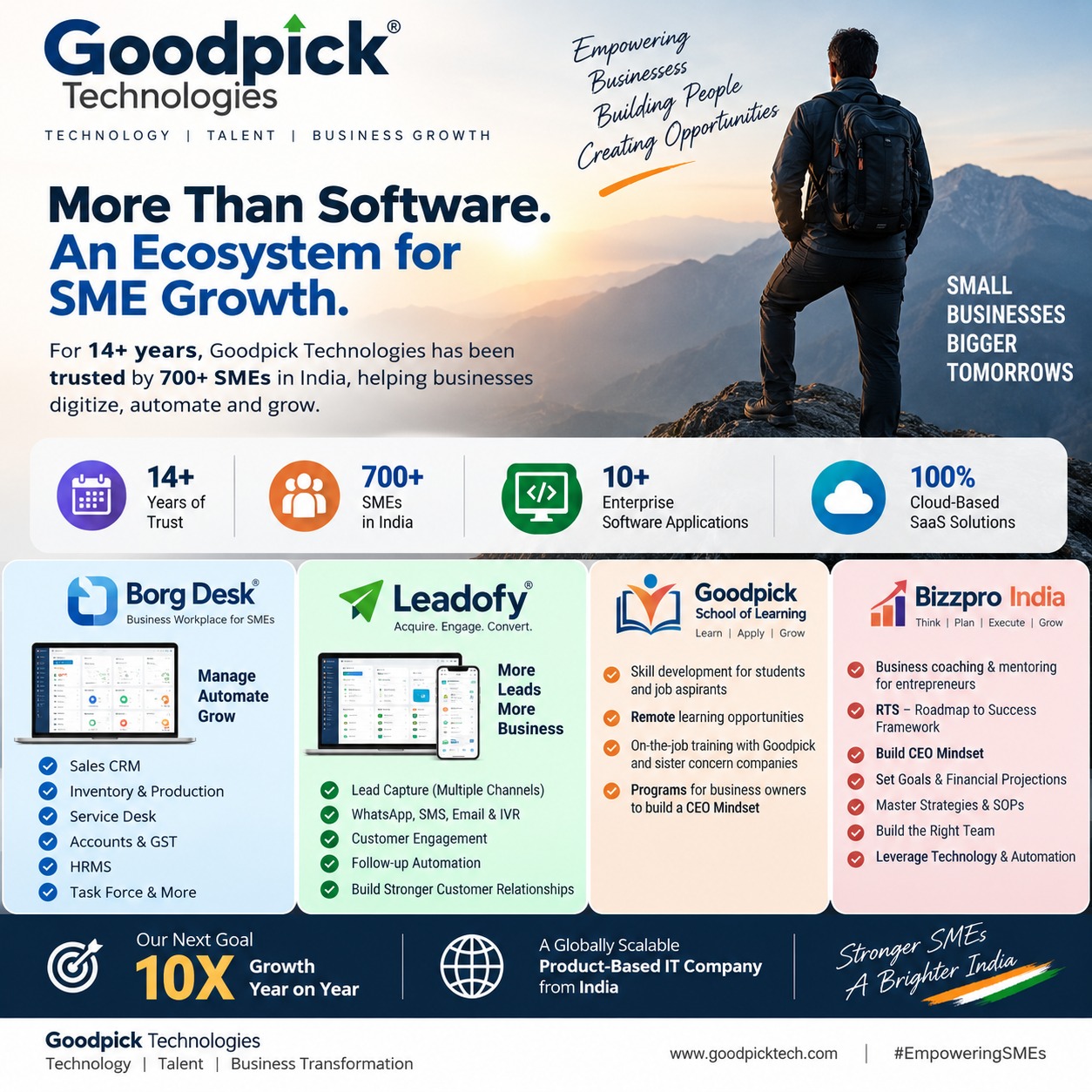
Why Choose GoodpickTech?
At GoodpickTech, we help businesses embrace digital transformation with advanced business software solutions designed to improve efficiency, automate operations, and support long-term growth.
Our solutions help organizations:
Automate business processes
Improve customer management
Increase employee productivity
Simplify inventory management
Optimize sales operations
Generate real-time reports
Support cloud-based business management
Whether you're a startup, SME, or growing enterprise, our experts can help you choose the right digital solution for your business.
Learn more about our Business Automation Solutions.
Start Your Digital Transformation Journey Today
Every successful business is becoming more digital.
The faster your organization adopts cloud technology, automation, ERP, CRM and AI-powered business tools, the sooner you will see increased productivity, improved customer satisfaction, and sustainable business growth.
Don't wait for competitors to get ahead.
Transform your business today with modern digital solutions from GoodpickTech.
Ready to modernize your business?
👉 Visit https://goodpicktech.com/
👉 Request a FREE consultation today.
👉 Discover how cloud-based business software can transform your operations.
Frequently Asked Questions (FAQs)
1. What is digital transformation for small businesses?
Digital transformation is the process of adopting digital technologies like ERP, CRM, AI, and cloud software to improve business operations, customer experience, and productivity.
2. Why is digital transformation important?
It helps businesses reduce costs, automate workflows, improve efficiency, enhance customer satisfaction, and increase profitability.
3. What is the first step in digital transformation?
The first step is evaluating your current business processes to identify inefficiencies and automation opportunities.
4. What software is required for digital transformation?
Most businesses benefit from Cloud ERP, CRM, HRMS, Accounting Software, Inventory Management Software, Payroll Systems, and AI-powered automation tools.
5. Is digital transformation expensive?
No. Cloud-based solutions have made digital transformation affordable for startups, SMEs, and MSMEs with flexible pricing models.
6. How does Cloud ERP support digital transformation?
Cloud ERP integrates sales, inventory, accounting, HR, and customer management into one centralized platform, improving efficiency and decision-making.
7. Can small businesses use AI?
Yes. AI tools are now affordable and help automate customer support, sales forecasting, reporting, marketing, and workflow management.
8. How long does digital transformation take?
The timeline depends on the size of the business, but many small businesses can begin seeing improvements within a few weeks after implementing cloud-based software.
9. What industries benefit from digital transformation?
Manufacturing, retail, IT, healthcare, logistics, education, construction, wholesale, service companies, and eCommerce businesses all benefit significantly.
10. Why choose GoodpickTech for digital transformation?
GoodpickTech provides cloud-based business solutions that help companies automate operations, improve productivity, streamline workflows, and achieve sustainable growth through modern digital technologies.




No comments found