
Every business owner wants growth. But growth becomes sustainable only when the organization has clear strategies, structured processes, and disciplined execution.
The third module of the RTS (Roadmap to Success) Business Execution Framework focuses on transforming business goals into repeatable business processes.
After developing the CEO mindset in Module 1 and defining goals and financial projections in Module 2, entrepreneurs must establish the strategies and systems required to achieve those goals.
A successful business does not depend on how many activities its people perform. It depends on how effectively its processes deliver measurable results.
Many businesses operate through informal instructions, individual experience, and the personal involvement of their founders.
As a result:
Employees perform the same task differently.
Business processes depend on individual knowledge.
Customers experience inconsistent service.
Important activities are delayed or forgotten.
Delegation becomes difficult.
Quality and productivity fluctuate.
Business expansion creates operational complexity.
The solution is to develop a structured execution system.
Strategies define what must be achieved and how. SOPs define how work must be performed consistently.
A business strategy provides direction for achieving organizational goals.
Learn how to develop strategies for:
Customer Acquisition & Revenue Growth
Customer Retention & Relationship Management
Product & Service Development
Market Expansion
Operational Excellence
Business Automation
Profitability Improvement
The objective is to ensure that every major business activity contributes to organizational growth.
SOPs transform individual knowledge into organizational knowledge.
Learn how to document business processes with clarity, including:
Process Objective
Process Owner
Roles & Responsibilities
Step-by-Step Activities
Required Inputs & Outputs
Checklists
Timelines & Service Standards
Performance Measurement
A well-defined SOP enables employees to perform their responsibilities with greater consistency and confidence.
Every important business process must have an accountable owner.
This module helps business owners establish:
Process Ownership
Responsibility Matrix
Delegation Framework
Execution Standards
Review Mechanisms
Performance Accountability
The objective is to move from founder-dependent execution to employee-owned execution.
Standardization reduces unnecessary variation and improves execution quality.
When processes are clearly defined, businesses can:
Reduce repetitive mistakes.
Improve employee productivity.
Minimize dependency on individuals.
Reduce customer complaints.
Improve turnaround time.
Simplify employee training.
Maintain consistent service quality.
A growing organization requires interconnected processes across departments.
For example:
Marketing generates leads.
Sales converts leads into customers.
Customer Success manages onboarding and retention.
Operations delivers products or services.
Accounts manages billing and collections.
HR develops people and organizational capabilities.
Management monitors performance and execution.
When these processes operate in coordination, the business becomes more structured and scalable.
Business Goal → Strategy → Process → SOP → Responsible Team → Execution → Measurement → Improvement
This model ensures that business goals are translated into practical execution activities.
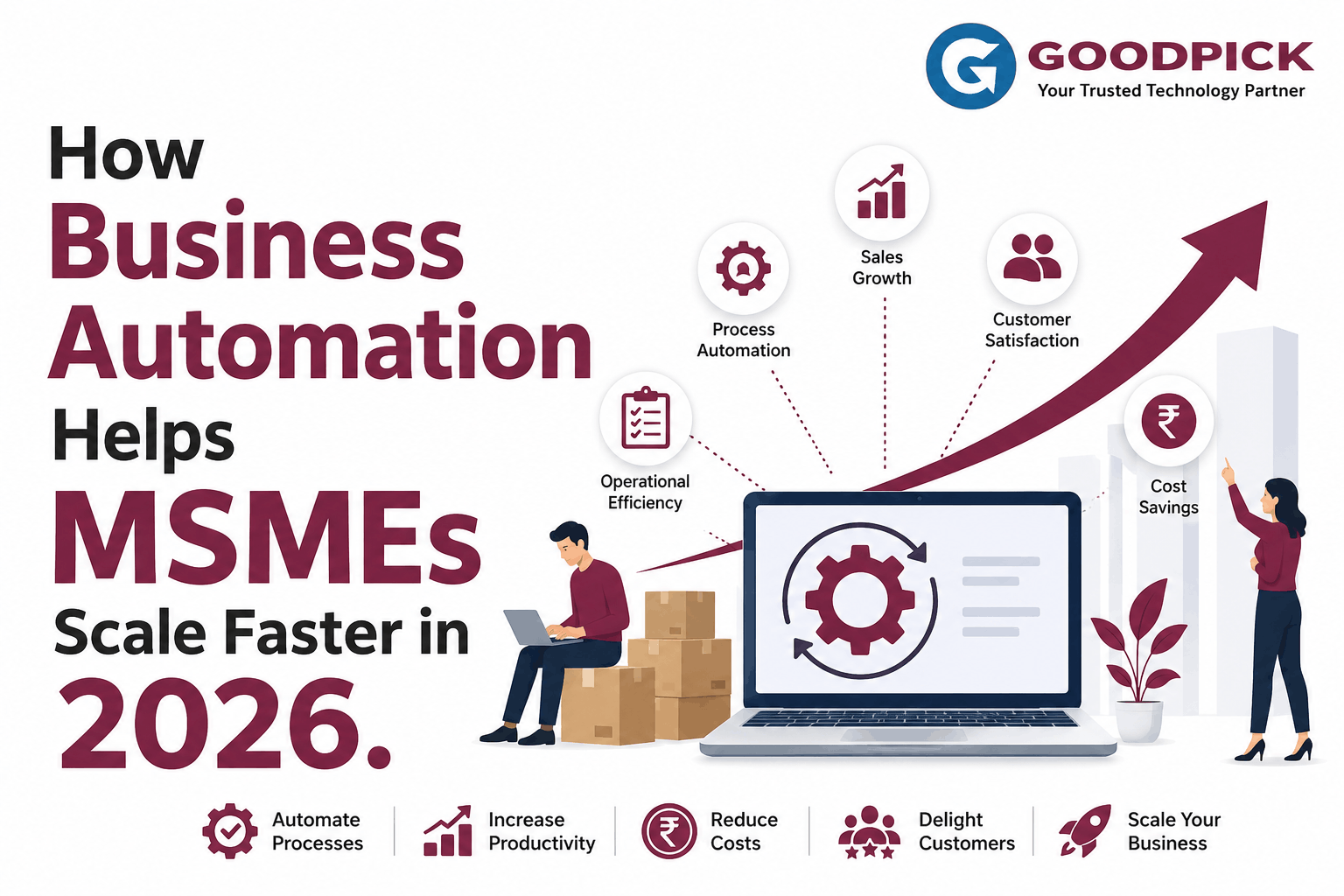
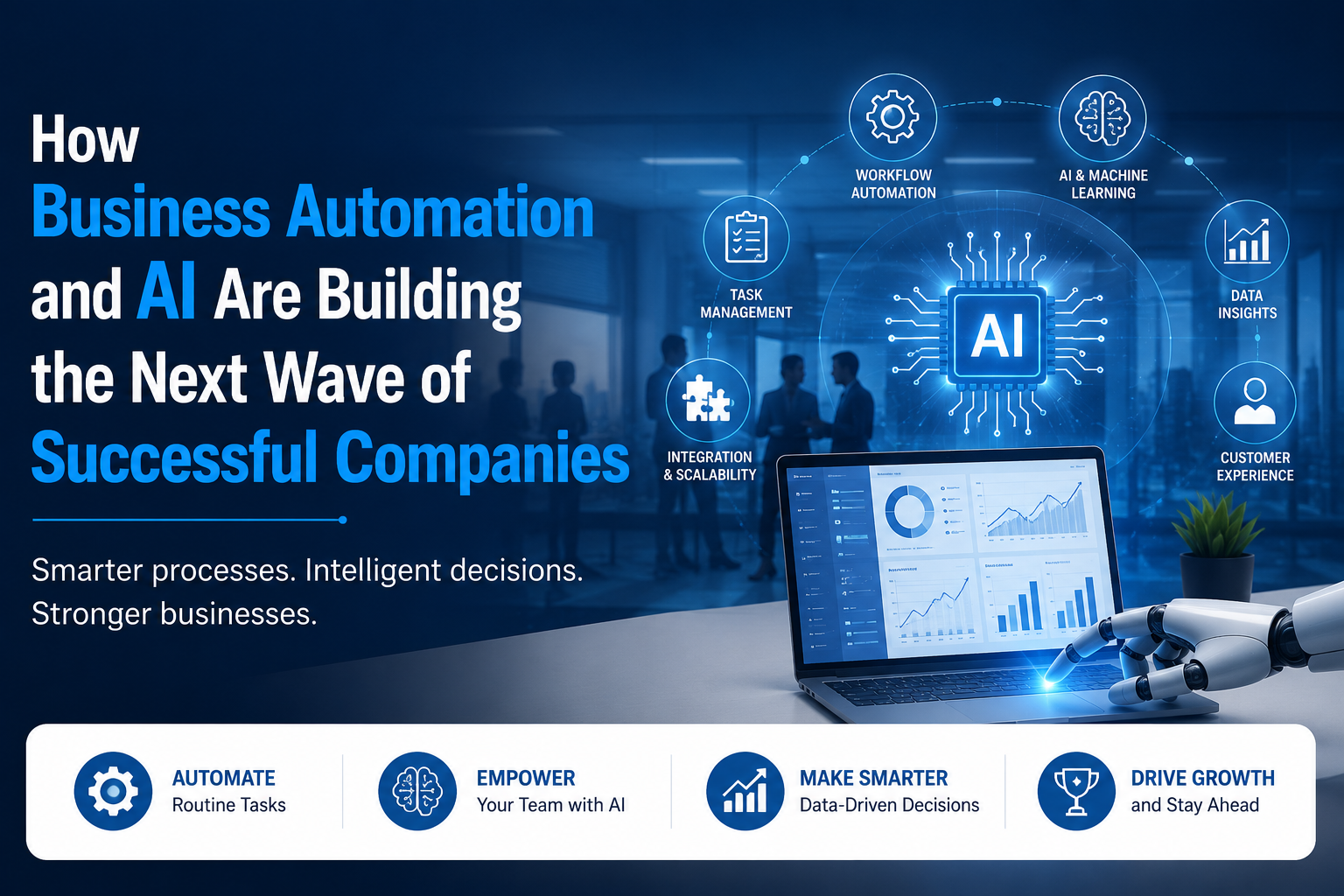
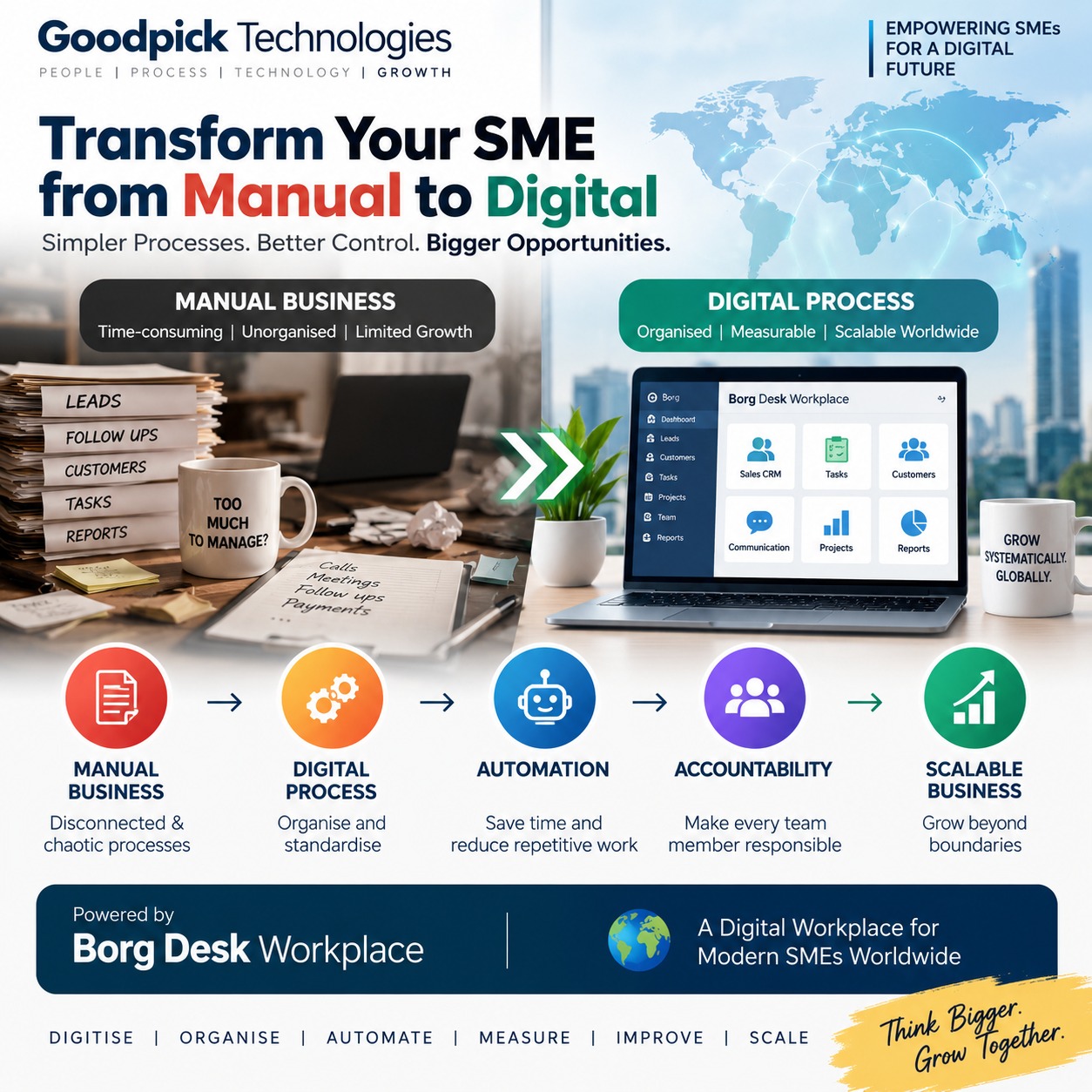
Documenting processes is the foundation. Automating them creates additional leverage.
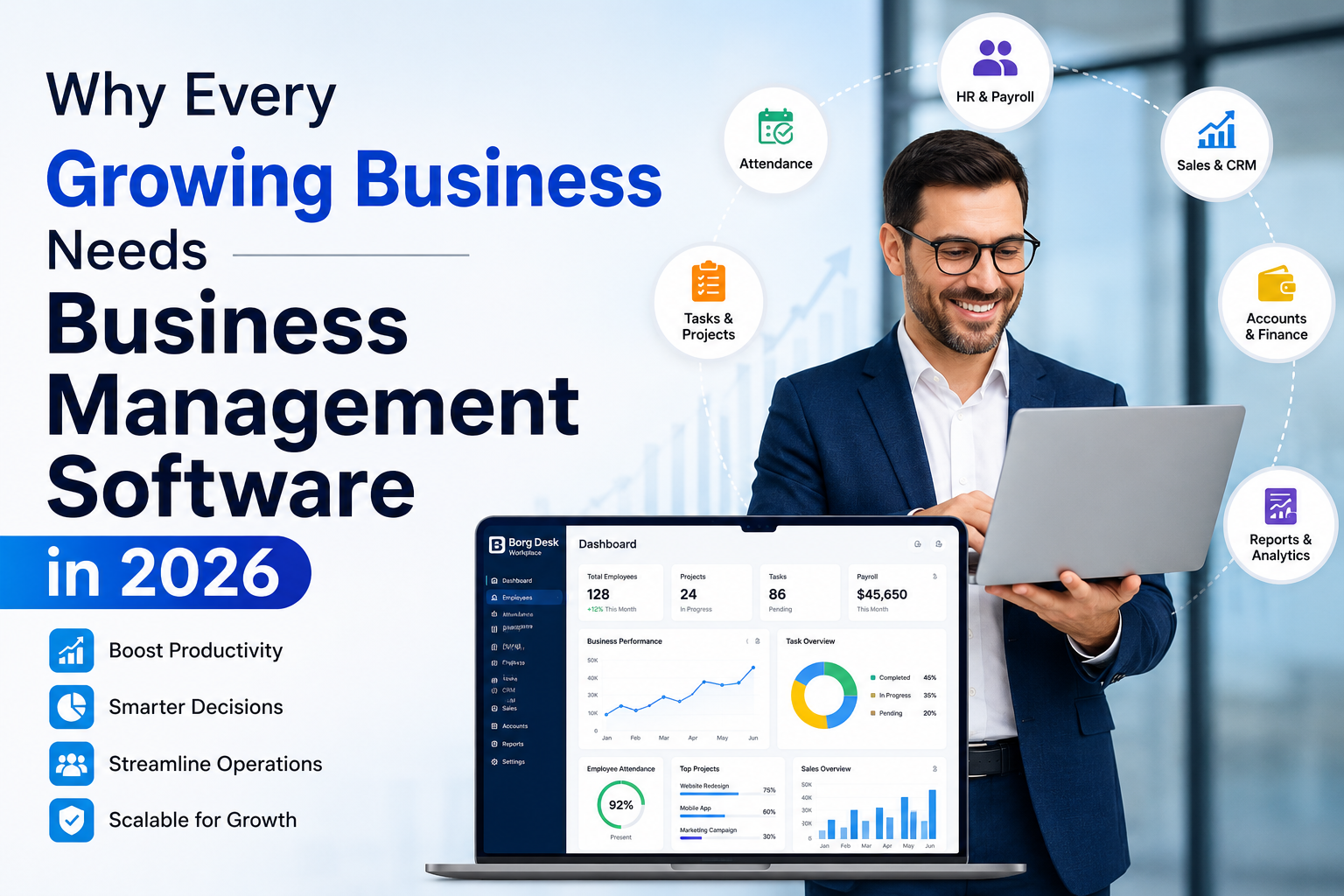
With appropriate cloud business software, organizations can establish:
Automated task allocation.
Workflow-based execution.
Customer follow-up reminders.
Service ticket management.
Employee activity tracking.
Management dashboards.
Performance reporting.
Alerts for pending activities.
Technology becomes significantly more effective when supported by well-defined business processes.
This module is designed for:
Entrepreneurs looking to scale their organizations.
MSME owners struggling with operational dependency.
Business leaders seeking process standardization.
Organizations experiencing inconsistent execution.
Managers responsible for productivity and quality.
Businesses preparing for automation and expansion.
By implementing this module, business owners can develop:
Documented business strategies.
Standardized operating procedures.
Clearly defined process ownership.
Improved delegation.
Consistent execution.
Better operational control.
Reduced founder dependency.
A foundation for business automation and scalability.
Your business should not depend entirely on your personal availability.
The third module of the RTS Business Execution Framework helps you establish the strategies, processes, and SOPs required to build an organization that executes consistently.
Think Like a CEO. Plan Your Goals. Master Your Systems. Execute with Accountability.
Roadmap to Success by KP Singh
Entrepreneur | SME Growth Coach | Business Execution Mentor
Start Building Your Business Execution System Today.
Transform your business from people-dependent operations into a process-driven organization.