
Manufacturing success depends on more than machines and manpower. It requires coordinated production planning, material availability, work allocation, quality control, and timely execution.
When production activities are managed through disconnected spreadsheets and manual coordination, manufacturers often face material shortages, production delays, idle resources, excess inventory, and limited visibility into shop-floor performance.
Borg Desk Production helps manufacturing businesses organize and monitor production activities through a structured production management environment.
From production planning to finished goods, Borg Desk Production helps manufacturers improve operational visibility, coordination, and execution discipline.
Transform Manufacturing Plans into Controlled Production Execution.
Borg Desk Production is a manufacturing-oriented production management module within Borg Desk Workplace.
It helps businesses organize production activities, coordinate material and operational requirements, monitor production progress, and maintain visibility into manufacturing execution.
Designed for manufacturing SMEs and growing production businesses, Borg Desk Production supports a more structured approach to managing manufacturing workflows.
Manufacturers frequently deal with multiple production orders, material requirements, machines, workers, and delivery commitments.
Without structured production management, businesses may experience:
Production delays due to material shortages.
Poor coordination between planning and execution.
Unplanned machine or manpower utilization.
Difficulty tracking work-in-progress.
Inconsistent production reporting.
Excessive manual follow-ups.
Delayed customer order fulfillment.
Limited visibility into production performance.
Borg Desk Production helps manufacturers improve coordination and establish better control over production activities.
Organize production activities according to manufacturing requirements and business priorities.
Plan production work around available resources, order requirements, and expected timelines.
Create and manage production orders or work orders to organize manufacturing activities.
Define what needs to be manufactured and establish a structured execution process for production teams.
Maintain product component and material requirements through Bill of Materials structures, where supported.
Understand the materials required to manufacture a product and support production preparation.
Coordinate raw material requirements with production needs.
Improve visibility into material availability and identify potential shortages that may affect manufacturing execution.
Monitor production activities as work progresses.
Maintain visibility into production status, pending activities, and execution progress to support timely management intervention.
Track production activities that are underway but not yet completed.
Understand where manufacturing work stands and identify potential delays or execution bottlenecks.
Support quality-related checks and manufacturing review activities through configured workflows.
Help teams maintain production discipline and identify quality concerns before products move to subsequent stages.
Coordinate completed production output with inventory and order management processes.
Improve visibility into finished goods availability and readiness for customer fulfillment.
Review available production information to understand manufacturing execution.
Monitor relevant production activities, progress, and operational performance through supported reports and management views.
A structured manufacturing workflow helps businesses coordinate production activities from planning to completion.
Receive Production Requirement – Identify manufacturing requirements based on customer orders or planned production.
Plan Production – Organize production activities and expected timelines.
Identify Material Requirements – Determine required raw materials and components.
Create Production Orders – Establish production work and execution responsibilities.
Execute Manufacturing – Perform production activities according to the plan.
Monitor Progress – Review production status and work-in-progress.
Quality Review – Perform applicable quality checks.
Complete Production – Record completed output and coordinate finished goods.
This workflow supports better coordination between production planning, manufacturing execution, and inventory management.
Manage manufacturing activities, work orders, material requirements, and production execution.
Coordinate component requirements, production activities, and finished goods preparation.
Organize manufacturing jobs, production stages, and execution timelines.
Coordinate material requirements, manufacturing activities, and product completion.
Manage production work, execution priorities, and delivery commitments.
Organize assembly activities, component availability, and production progress.
Imagine a manufacturer receives an order for 500 units of a product.
The manufacturing process requires:
Production planning.
Raw material availability.
Component preparation.
Production work orders.
Manufacturing execution.
Quality inspection.
Finished goods preparation.
Customer order fulfillment.
With Borg Desk Production, the organization can structure production activities, coordinate material requirements, monitor execution, and maintain visibility into manufacturing progress.
Production managers can identify pending activities, while business owners gain a clearer understanding of production status.
The result is a more organized and accountable manufacturing process.
Manufacturing does not operate in isolation. Production connects with sales, inventory, procurement, accounts, and customer delivery.
Borg Desk Workplace helps bring these business functions together.
Sales CRM: Understand customer opportunities and order-related requirements.
Inventory & Order: Coordinate material and finished goods information.
Accounts: Manage relevant financial and business transactions.
Production: Organize and monitor manufacturing activities.
Project: Coordinate manufacturing-related projects and assignments.
MIS Reports: Review available business and production information.
Together, these capabilities help manufacturers improve coordination across business operations.
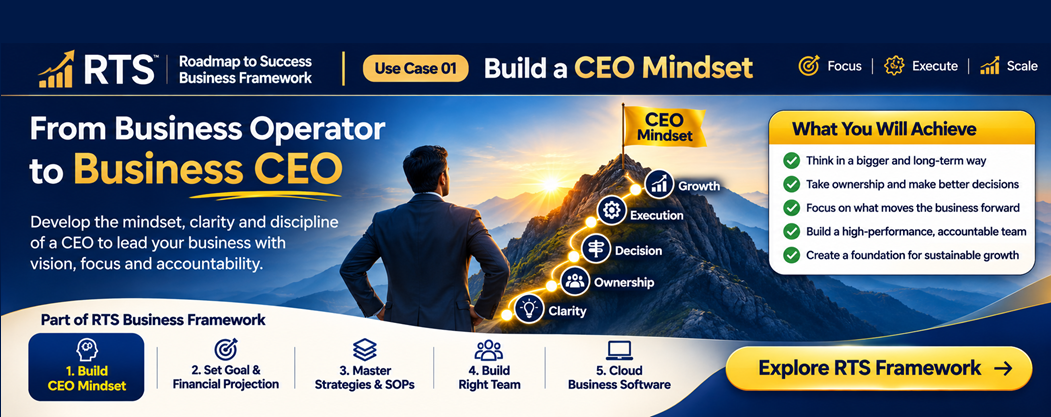
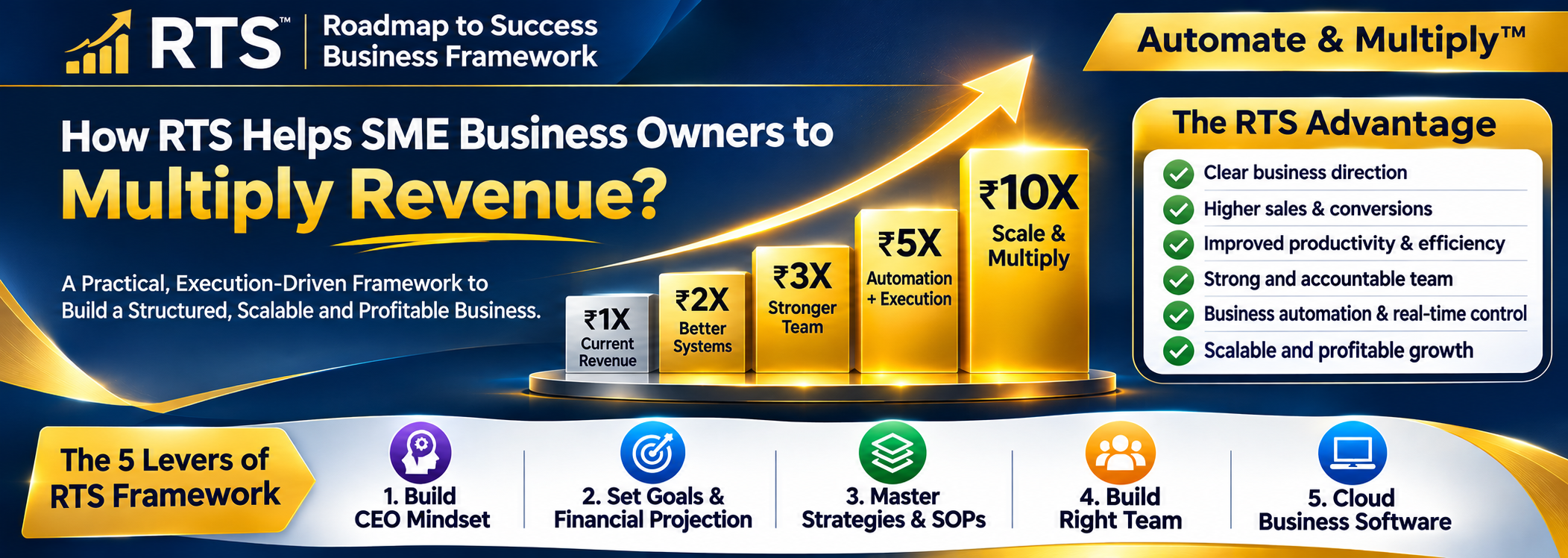
Borg Desk Production complements the RTS Business Framework – Roadmap to Success.
RTS helps business owners develop CEO mindset, establish measurable goals, master strategies and SOPs, build accountable teams, and adopt cloud business software.
Borg Desk Production supports the execution and visibility required to manage manufacturing activities systematically.
Together, they help manufacturing businesses strengthen:
Production discipline.
Process standardization.
Team accountability.
Operational visibility.
Resource coordination.
Business execution.
Improve production planning.
Organize manufacturing work.
Strengthen production coordination.
Improve material requirement visibility.
Monitor production progress.
Track work-in-progress.
Support quality-related workflows.
Improve finished goods coordination.
Identify production bottlenecks.
Strengthen manufacturing management visibility.
Manufacturing performance improves when production plans, materials, people, and execution work together.
Borg Desk Production helps your business bring structure, visibility, and accountability to manufacturing operations.
Borg Desk Production – Manufacturing Production Management
Part of the Borg Desk Workplace Business Operating System.
Discover how Borg Desk Production can help your manufacturing business organize production, monitor execution, and improve operational visibility.
Request a Demo | Explore Borg Desk Workplace